Finchley Removals in Finchley

Finchley removals should feel orderly, careful and straightforward from the first enquiry to the last item being set down in the right room. Our service is built around domestic moves, furniture transport and practical moving support in Finchley, with clear attention to handling, access and timing. Whether you are moving from a flat, a family house or a smaller property with a few heavier items, the aim is to move your belongings safely and keep the day as organised as possible.
We support a range of removal work, from single-item transport through to fuller house removals and smaller load moves that need a van and experienced help rather than a full-scale moving operation. That means the service can suit people who are changing address, moving between rented homes or relocating furniture after a refurbishment. The right approach depends on what needs moving, how it is packed and where it needs to go, so we shape the job around the load rather than forcing it into a fixed pattern.
If you are planning a move in Finchley, use this page to understand the service, the main options and the best way to request a quotation. Tell us what needs moving, the property type and any access details, and we can look at the most suitable approach. If you already know your moving date, that is useful too. If not, a clear description of the load is still a sensible place to start.
House moves and domestic removals
Domestic removals usually involve a combination of packing, lifting, carrying and transport, but the balance of each task changes from move to move. A well-planned house move begins by identifying the main furniture pieces, boxed items, appliances and anything awkward or fragile. That planning helps decide vehicle size, loading order and how many people are needed to keep the work efficient without rushing the handling.
For many customers, the core service is simply a reliable move from one home to another. Our home moves and house movers pages reflect that type of work, where the focus is on safe collection, sensible loading and placement at the destination. Some moves are straightforward, while others require extra care for stairs, narrow hallways or items that need to be disassembled before transport. The service is designed to cope with those variations in a practical way.
When you contact us, it helps to have a rough list of furniture and boxes ready, but you do not need to make the process complicated. A short note about parking, lift access or any particularly heavy items is often enough to begin. Clear information leads to a clearer quotation, and it also makes it easier to recommend the right level of support for the job.
Moving support for smaller loads and mixed items

Not every move needs a full house-removal set-up. Sometimes the job is a collection of furniture pieces, a few boxes, or a combination of household items that need careful transport. In those cases, a smaller vehicle and a more flexible approach can be the better fit. Our man and van option and related moving support are useful when the load is modest but still deserves proper handling and a tidy loading process.
This type of service can suit students, tenants, people moving between short-let properties, or households that only need to send some items ahead of the main move. It can also work well for furniture bought privately or from a shop when the customer needs help with collection and delivery. The important point is that the service is matched to the size and shape of the job, rather than treated as a one-size-fits-all solution.
Where a load is awkward rather than large, the arrangement of items matters more than the total volume. Long wardrobes, beds, tables and delicate pieces often need careful positioning so they can travel without unnecessary movement. If you are unsure whether the job fits a van-based removal or a fuller house move, a brief description of the items is usually enough to guide the next step. Practical detail matters more than guesswork, especially when the transport plan depends on how the load can be stacked.
Packing, protection and preparation
Packing support can make a notable difference to the ease of moving day. Well-packed boxes are easier to stack, less likely to shift and simpler to place in the right order at the new property. Some customers prefer to pack everything themselves, while others need help with wrapping fragile items, protecting surfaces or preparing furniture for transit. The right choice depends on the items involved and how much time is available before the move.
Our packing and unpacking services page covers the sort of work that can be added to a removal job when customers want extra help at either end. Packing is especially useful for kitchens, ornaments, glassware and other items that benefit from more than a quick box and tape approach. Unpacking can also be helpful when the aim is to settle into the new property quickly and keep the move from becoming a lingering task.
If you are preparing for a quotation, it is sensible to mention whether items are already boxed, whether any furniture needs wrapping, and whether you would like help at collection, delivery or both. You do not need to provide a perfect inventory, but enough detail to distinguish a light move from a fuller one will improve the estimate. It also helps to flag any fragile pieces before the day arrives.
Office and commercial relocation work
Removal services are not limited to homes. Smaller workplaces, studios and offices often need organised transport for desks, chairs, filing, equipment and boxed stock. Commercial moves usually require a little more co-ordination because the job may need to take account of operating hours, shared buildings or equipment that should be handled in a particular order. Good planning keeps disruption lower and helps make the relocation process more predictable.
For business customers, our office removals and commercial moves pages represent this side of the work. The service can be built around the type of premises, the amount of furniture involved and any items that need special care. Some commercial moves are limited to a few workstations, while others involve fuller office contents and the movement of heavier fixtures. In each case, the main aim is to move the business property securely and in a sensible sequence.
Commercial removals also benefit from a clear list of priority items, particularly when there are documents, devices or furniture that should be delivered first. If your business move has time constraints, share those early so the work can be planned appropriately. The more specific the moving brief, the easier it is to shape the service around the actual requirements rather than a generic template.
About Finchley

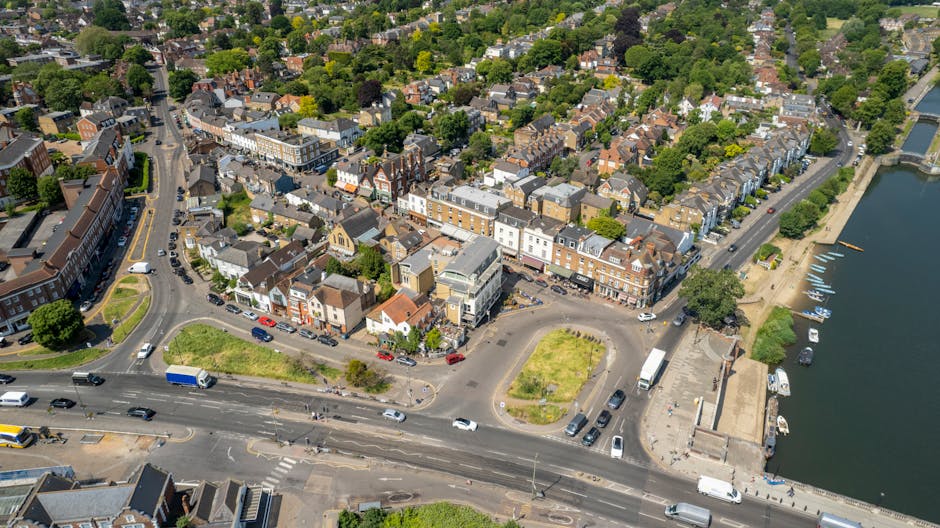
Finchley is a district in North London, historically part of Middlesex and now within the London Borough of Barnet. It is commonly understood as a collection of neighbourhoods rather than a single compact centre, with East Finchley, North Finchley and Finchley Church End each having their own character and street pattern. The area developed from a rural settlement into a suburban part of London during the nineteenth and early twentieth centuries, especially as rail and road connections improved access to the capital. That history still shapes the built environment, where older terraces, interwar housing and later infill development sit alongside busy high streets and local green spaces. Finchley Road itself forms a well-known route in north-west London, while the district’s internal roads and residential streets reflect the growth of suburban commuting. The area is also associated with a number of local landmarks and institutions, including arts venues, churches, schools and parks that give it a varied civic life. Victoria Park and other open spaces provide places for walking and recreation, while the surrounding urban fabric includes a mix of commercial frontages and quieter residential lanes. Over time, Finchley has maintained a strong local identity within greater London, balancing everyday neighbourhood life with connections to the wider city through transport, shopping and community activity.
Vehicle choice and the shape of the load

Choosing the right vehicle is one of the most practical parts of any removal job. A van that is too small creates repeated trips and unnecessary handling; one that is too large can be awkward to load efficiently if the move is modest. The better approach is to match the vehicle to the furniture, boxes and access conditions involved. That is why the load itself matters more than a generic service description when planning the move.
Our pages for moving van, moving truck and removal van reflect different ways to organise transport, depending on the size of the job and the type of items being moved. A smaller vehicle may be ideal for a compact flat move or a few bulky items, while a larger option can suit fuller house contents or jobs with more staged loading. The choice is best made on the basis of practicality, not assumption.
If you are comparing options, think about the number of rooms affected, the largest pieces of furniture and any items that cannot be stacked easily. Access matters too: narrow roads, limited parking or awkward entrances can influence what is sensible. A concise description of the property and the contents is often all that is needed to start narrowing the vehicle choice. Good fit is about efficiency, and efficiency usually comes from honest detail rather than optimism.
Furniture, heavy items and careful handling
Furniture transport is at the heart of many removal jobs, and it requires a careful approach to lifting, turning and securing items for transit. Large wardrobes, beds, sofas, tables and cabinets often need extra attention because they can be awkward in hallways and vulnerable to scuffs if hurried. A measured method protects both the items and the property they pass through.
Some jobs involve a single item, while others combine furniture with boxes and smaller belongings. Our furniture pick-up page is relevant to collections where one or more pieces need moving without the complexity of a full household removal. It can be a useful option for second-hand purchases, room refits or furniture that needs to be relocated between properties. The emphasis stays on secure handling and sensible transport arrangements.
Where furniture needs to be dismantled or protected before moving, that should be mentioned in the enquiry. Not every item requires the same preparation, and not every move benefits from stripping everything down in advance. A simple explanation of what is solid, what can be taken apart and what should stay intact helps shape the handling plan and prevents unnecessary work on the day.
Access, stairs and property layout
Access is one of the biggest practical variables in removals. A property with direct parking outside the door is very different from one with restricted roadside space, several flights of stairs or a long carry from the vehicle to the entrance. The same load can take a very different amount of time and effort depending on how easy it is to reach the rooms involved.
That is why a quotation becomes more accurate when it includes information about lifts, staircases, loading bays and any building rules that affect the move. If you live in a block of flats, or if the collection and delivery points have limited access, it is better to mention that early. The move can still be arranged, but the logistics should be planned around the actual site conditions rather than a best-case assumption.
For many customers, the simplest way to help is to give a short, practical summary: the floor number, whether there is parking close by and whether larger furniture needs to be carried through tight spaces. These details are not a burden; they are what make the service workable. When the route in and out is understood properly, loading and unloading can be done more smoothly.
Quotations, timing and useful job details

Removal quotations are usually shaped by a combination of the load, the travel involved, the access conditions and any extra help required with packing or furniture handling. That means two moves that seem similar at first glance can still differ in the time and effort needed. A sensible quotation process looks at what actually needs to be moved rather than relying on rough assumptions.
To request a quotation, it helps to provide a brief outline of the property type, the main contents, the collection and delivery points and the preferred moving date if one has been set. If there are any items that need special handling, mention those as well. You do not need to write a full inventory unless the job is large or particularly detailed; a clear summary is often enough to begin with. If you need to compare services, our pricing and quotes page is the place to start, and you can then use the contact route that suits you best.
Ready to plan your move in Finchley? Send the key details and ask for a quotation in plain terms, and we will work with the information you provide. If you want help with domestic removals, furniture transport or office relocation support, begin the conversation now so the moving plan can be shaped around your needs. The simplest enquiries are often the easiest to price accurately, so a few clear facts are usually the best starting point.