Small load removals Finchley fees and lift friendly options
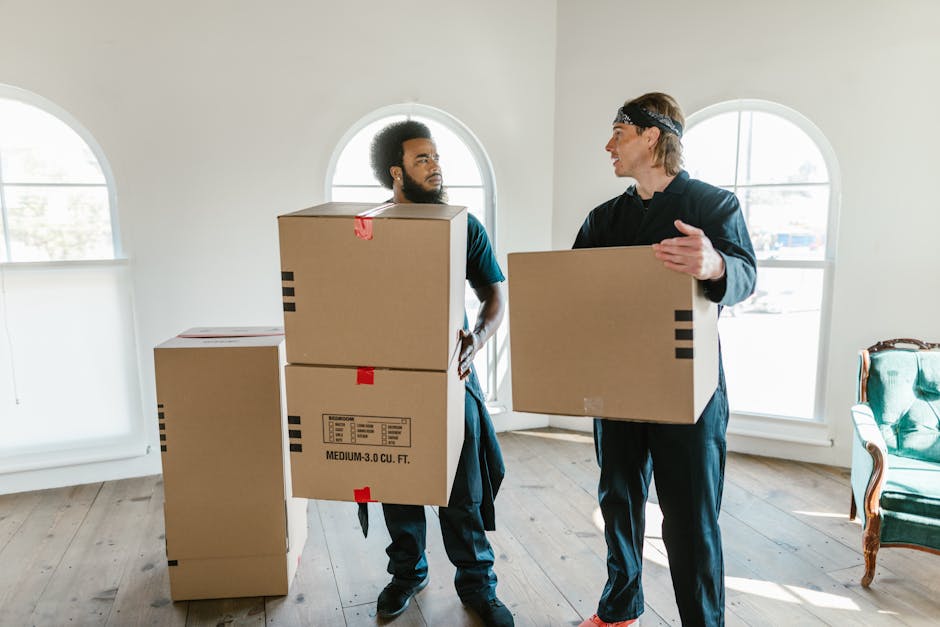
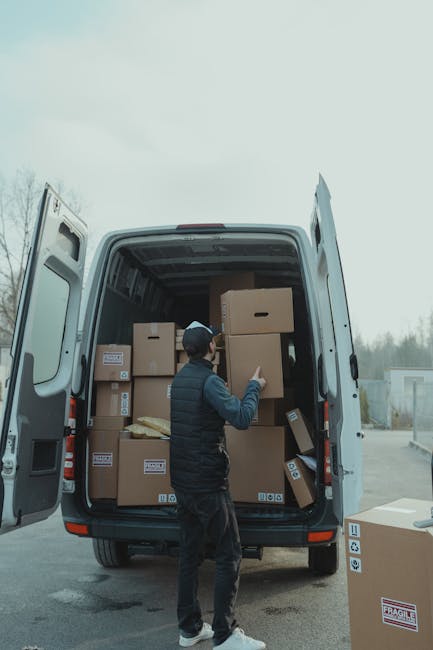
If you are moving a few boxes, a sofa, a bed frame, or the contents of a one-bedroom flat, you do not need a full-scale house move. You need something leaner, calmer, and priced in a way that makes sense. That is where small load removals Finchley fees and lift friendly options come in. The right service can save you time, reduce hassle in narrow stairwells, and stop a simple job turning into a stressful day. In Finchley, where access can vary from modern blocks with lifts to older conversions with tight stairs, those details matter a lot more than people expect.
This guide breaks down how small-load moves are usually priced, what lift access changes, what to ask before you book, and how to avoid those little surprises that can make a quote creep up. Truth be told, most of the stress in a small move comes from not knowing what is included. Let's fix that.
Why Small load removals Finchley fees and lift friendly options Matters
Small moves are often underestimated. A single load can still involve awkward furniture, fragile items, parking restrictions, and building access that makes every minute count. In Finchley, that can mean a short walk from the van, a lift that is just a bit too small, or a building manager who wants arrival details before you set foot inside.
Fees matter because small-load removals are rarely priced the same way as a full house move. You are often paying for a vehicle, a mover or two, travel time, loading time, and access conditions. If your items are on the third floor and the lift is out of action, the job changes. If the lift is working and suitable for furniture, the job is easier, quicker, and usually more efficient. That difference is the whole point of understanding lift friendly options.
For many people, the main question is not "Can it be moved?" It is "How do I keep this simple and affordable?" That is exactly where planning helps. A clear understanding of access, item size, and timing can make the move feel oddly manageable, even if you have not done it before.
How Small load removals Finchley fees and lift friendly options Works
Small-load removals usually work on a practical estimate rather than a one-size-fits-all formula. The company looks at what you need moving, where it is going, how easy it is to load, and whether a lift can be used safely and efficiently.
Here is the simple version:
- You describe the load. This might be a few items, a room's worth of belongings, or a compact move from a flat, studio, or office.
- Access is checked. The team asks about stairs, lift size, parking, and distance from the property to the vehicle.
- The vehicle and crew are matched. A small van, a medium van, or a larger moving van may be suggested depending on volume.
- The route and timing are planned. This helps avoid wasted time, awkward arrivals, or extra waiting charges.
- The move is carried out with loading order in mind. Heavy items first, fragile pieces protected, and lift use handled carefully where allowed.
A lift-friendly move is not just about "there is a lift, brilliant." It is about whether the lift can realistically handle the item dimensions, whether the building allows its use for removals, and whether the crew can move safely without blocking hallways. In some buildings, lift pads or floor protection may be requested. In others, lifts are too small for sofas or wardrobes, so the team must plan for stairs instead. Small detail, big difference.
If you are comparing options, a service such as man and van can be a good fit for lighter jobs, while fuller support may be more appropriate if you have extra furniture, packing needs, or fragile pieces. For broader moving help, you may also want to look at removal services or movers, depending on the scale of the job.
Key Benefits and Practical Advantages
There is a reason small-load removals are so popular. They sit in the sweet spot between "do it yourself and hope for the best" and "book a huge crew for a tiny job."
- Better value for smaller jobs. You are not paying for unused capacity.
- Less disruption. A compact move can often be completed quickly and quietly.
- Flexible scheduling. Smaller loads are often easier to fit around work, school runs, or building rules.
- Reduced risk of damage. Less handling and better planning usually means fewer bumps and scratches.
- Lift access can improve efficiency. If the building is suitable, using a lift can cut down the physical effort and loading time.
- Good for awkward one-off items. Think wardrobes, exercise equipment, boxed belongings, or marketplace purchases.
There is also a psychological benefit, if that is the right word. A small move feels less like a life upheaval and more like a task you can actually get done by lunchtime. That matters. The calmer the process, the better your decisions tend to be.
Expert summary: if your move is small, your quote should reflect that. The biggest price swing usually comes from access, timing, and item handling rather than the number of boxes alone.
Who This Is For and When It Makes Sense
Small-load removals are a strong option if you are moving:
- a studio flat or one-bed flat contents
- a few key pieces of furniture
- student belongings between term times
- boxes after decluttering or renovation
- an online furniture purchase that will not fit in a car
- office items such as chairs, monitors, and archive boxes
- a single bulky item that needs careful handling
They also make sense if your building access is decent but not perfect. For example, a lift on the ground floor of a newer Finchley block can be a real advantage. On the other hand, if you are in an older property with a narrow stairwell and no lift, you may still want a small-load service, but with a clear conversation about labour time and access.
Let's face it: not every move deserves a full removal truck. Sometimes you just need the right-sized van and people who know how to work around the building rather than against it. That is the quiet magic of a small move done properly.
For commercial customers, a lighter office relocation may be better served by office relocation services or commercial moves if you are shifting workstations, storage, or equipment.
Step-by-Step Guidance
If you want a smoother experience and a cleaner quote, follow a structured approach. It is not glamorous, but it works.
- List every item. Be specific. "A bed" is useful, but "double bed, mattress, frame, and two drawers" is better.
- Measure large furniture. A sofa that looks manageable may still be too long for a lift or awkward on a landing.
- Check lift access. Ask whether the lift is available, whether it is large enough, and whether there are rules for moving day.
- Note parking and walking distance. If the van cannot stop outside, the job takes longer.
- Decide whether packing is needed. If your boxes are loose or poorly sealed, the team may need extra care and time.
- Ask about time-based or fixed pricing. Both can work, but you should know how the quote is calculated.
- Confirm insurance and handling terms. This is especially relevant for fragile, valuable, or awkward items.
- Prepare the property. Clear corridors, label items, and keep keys or access codes ready.
- Stay reachable on the day. A quick call can solve a delayed lift, parked car, or missing item without drama.
If you are getting a quote, the pricing information on pricing and quotes is a sensible place to start, especially if you want to compare options without guessing.
And yes, a kettle on standby does help morale. Not a service feature exactly, but still. Worth it.
Expert Tips for Better Results
These are the small things that make a large difference.
- Photograph the items and the access route. A few clear pictures can prevent misunderstandings.
- Tell the team if the lift is shared or timed. Some buildings get busy in the morning and a short delay can ripple through the day.
- Pack in sturdy, stackable boxes. They move faster and safer than loose bags.
- Use a lift when it is genuinely suitable. It can reduce strain and speed things up, but only if the dimensions and building rules allow it.
- Keep delicate items separate. A mirror, lamp, or monitor deserves more care than the average box of books.
- Be honest about the volume. Underestimating by even a few pieces can affect time, vehicle size, and cost.
- Consider dismantling bulky furniture in advance. It may save a surprising amount of time.
One quiet pro tip: if the building has a service lift, ask whether it is actually intended for removals or just everyday use. The answer is not always obvious, and nobody wants to discover a rule mid-move while a wardrobe is half-turned in the hallway.
For packing help, packing and unpacking services can be useful if you want the job handled more cleanly, especially when time is tight.
Common Mistakes to Avoid
Small moves seem simple until one or two details are missed. Then the quote changes, the schedule slips, or the lift becomes a problem.
- Assuming "small load" means "no planning needed." It still needs coordination.
- Not checking lift dimensions. A lift that looks big enough may not take your sofa at the right angle.
- Forgetting parking restrictions. Finchley streets can be awkward at certain times, and loading access matters.
- Leaving packing until the last minute. Half-packed boxes slow everything down.
- Not mentioning stairs. If the lift is out of order or unavailable, the team needs to know early.
- Hiding additional items. Extra bags and boxes can seem minor, but they still affect time.
- Choosing a van based on price alone. The cheapest option is not always the cheapest by the end of the day.
In our experience, the biggest problems are nearly always preventable. Not all of them, of course. Life happens. But most? Yes, most.
Tools, Resources and Recommendations
You do not need specialist equipment for every move, but a few basic tools make things smoother and safer.
- Measuring tape: for furniture, doorways, and lift openings
- Marker pens: to label boxes clearly
- Strong tape: useful for sealing boxes properly
- Blankets or covers: good for protecting furniture edges
- Box straps or ties: helpful for keeping smaller loads together
- Inventory list: simple, but genuinely useful when checking nothing is left behind
From a service perspective, a well-matched vehicle can matter as much as the manpower. For lighter loads, moving van options may be enough. For sturdier support, you may prefer a broader removal van or even moving truck depending on the volume and the furniture involved. That is why asking about load size up front is so useful.
If you are not sure which option suits you, a quick look at removals near me can help you think through what is local, practical, and not overkill for the job.
Law, Compliance, Standards, or Best Practice
For small removals, the legal and safety side is mostly about sensible handling, clear communication, and respecting building rules. You do not need to become a transport expert, but a few standards of practice are worth keeping in mind.
Movers should handle goods carefully, protect property where needed, and operate within the terms agreed before the move. If access is tight or a lift is being used, safe lifting and careful loading matter. That is basic, but it is also the bit that keeps a move from becoming messy.
Insurance is another practical point. If you are moving valuable items, ask what cover applies and what exclusions exist. The phrase "insurance included" is fine, but the detail underneath is what matters. You can read more about this kind of reassurance on insurance and safety.
Building rules are also part of best practice. Many flats and managed properties have access times, lift reservations, or requirements to protect communal areas. Following those rules keeps the move smooth and avoids unnecessary friction with neighbours or building staff.
For a clearer picture of service expectations, terms and conditions are worth checking before you book, because they usually explain what is and is not included.
Options, Methods, or Comparison Table
Different small-load jobs suit different setups. The best choice depends on how much you are moving, how much help you need, and how good the building access is.
| Option | Best for | Lift-friendly? | Typical strengths | Watch-outs |
|---|---|---|---|---|
| Man and van | Small furniture, boxes, single-room moves | Often yes, if the lift fits the items | Flexible, practical, efficient | May need more preparation from you |
| Small removal van | Light to medium loads with a bit more volume | Usually yes, depending on item size | Good balance of space and cost | Access and parking still matter a lot |
| Moving van | Medium-sized small moves or mixed items | Yes, if the route is manageable | More room for awkward items | Can be unnecessary if the load is truly tiny |
| Moving truck | Larger small loads or multi-item moves | Sometimes, but building access may be harder | Best when volume is underestimated | May cost more than needed |
The right answer is not always the cheapest or the biggest. It is the option that matches your actual load and your actual access. Sounds obvious, but people get this wrong all the time.
Case Study or Real-World Example
Picture a simple Finchley move on a weekday morning. A tenant is leaving a two-room flat with a bed frame, mattress, small desk, six boxes, and a few kitchen items. The building has a lift, but it is compact and shared with other residents. Parking is available a short walk away, not directly outside.
The first quote is based on a small load, but the access details are the real story. The lift helps with the boxes, the mattress, and lighter pieces. The bed frame needs careful manoeuvring, and the van cannot sit right by the entrance. Nothing dramatic, just a bit of planning.
Because the load is described accurately, the crew can bring the right vehicle and allow the right amount of time. There is no rush, no extra waiting for forgotten details, and the lift does what it is supposed to do. The move finishes without the usual little panic moments: no dropped screws, no "where did that box go?", no awkward last-minute rearranging in the hallway. A pretty normal move, really - which is exactly what you want.
That is the point of lift-friendly planning. It turns a cramped, fiddly job into a manageable one.
Practical Checklist
Use this before you book.
- Make a full list of items to move
- Measure large furniture and note any awkward pieces
- Check whether the lift is available, suitable, and permitted for removals
- Confirm stair access as a backup plan
- Check parking and loading restrictions
- Decide whether you need packing help
- Ask how the fee is calculated
- Confirm what is included in the service
- Review insurance and safety information
- Keep your phone on during the move in case access details change
If you want to compare service information before deciding, home moves and removals pages can help you understand the broader moving setup, especially if your small load is really part of a bigger transition.
Conclusion
Small load removals in Finchley are at their best when they are straightforward, well-quoted, and matched to the building you are dealing with. Fees make more sense when you understand what drives them. Lift-friendly options make sense when the lift genuinely fits the job and helps the crew move safely and quickly.
That is the practical heart of it. Describe the load clearly, check access properly, and choose a service that fits the reality of your move rather than the ideal version in your head. Do that, and the whole thing becomes far less stressful. Often much less.
If you are ready to plan your move with confidence, speak to a local team that understands small loads, awkward access, and how to keep the day running smoothly. A calm move is a good move, after all.
Get a free quote today and see how much you can save.
Frequently Asked Questions
What counts as a small load removal in Finchley?
A small load usually means a limited number of items, such as a few boxes, one or two pieces of furniture, or the contents of a studio or single room. It is less about exact item count and more about whether the job needs a compact van and a smaller amount of labour.
Are small load removals cheaper than full house removals?
Usually, yes. You are paying for less volume, less time, and a smaller vehicle. But access still affects the final price, so a small job with difficult stairs or no lift can cost more than expected.
Do lift-friendly removals reduce the cost?
They can help keep the job efficient, which may reduce labour time. But only if the lift is large enough, suitable for the items, and available for use. If the lift is too small or restricted, it will not save much.
Can a sofa fit in a lift?
Sometimes, but not always. It depends on the sofa dimensions, lift interior size, and the angle needed to move it. A quick measurement beforehand is better than guessing and hoping for the best.
What should I tell the removals team before booking?
Tell them exactly what you are moving, whether there is a lift, how many flights of stairs there are, where parking is available, and if any items need dismantling. The more precise you are, the more accurate the quote is likely to be.
Is a man and van suitable for small loads?
Yes, often it is. For compact moves, a man and van setup can be a practical fit because it is flexible and typically well matched to light or moderate loads.
What if the lift is out of service on moving day?
That can change the job quite a bit. It is best to inform the removals team straight away, because stairs, carrying time, and manpower may need to be adjusted. This is one of those little things that can become a big thing very quickly.
Do I need packing services for a small move?
Not always. If your items are already boxed safely, you may not need help. But if you have fragile items, mixed storage, or not much time, packing support can make the move safer and faster.
How do I make a small move run faster?
Pack everything before the team arrives, label boxes clearly, measure large furniture, reserve access where needed, and keep hallways clear. Small steps, but they save a surprising amount of time.
What is the best way to compare quotes?
Compare what is actually included: time, manpower, vehicle size, access assumptions, and any extra charges for stairs, waiting, or parking issues. A cheaper quote that excludes important details is not always better.
Are there safety or insurance questions I should ask?
Yes. Ask what cover applies, how items are handled, and what happens if access conditions change. It is sensible, not fussy. You want clarity before the van turns up.
Can small load removals handle office items too?
They can, especially for a small office move or a few pieces of furniture and equipment. If the job is more structured, you may prefer dedicated office removals or office relocation services depending on the scale.
What is the main mistake people make with small removals?
The biggest mistake is under-describing the job. People often forget a few items, ignore access issues, or assume a lift will solve everything. It rarely does, at least not by itself.